
Dry season vegetable farming is a vital component of sustainable agriculture in Africa, providing a reliable source of income and food security for farmers and their communities.
However, many farmers in the region struggle to adapt to the challenges posed by the dry season, which can lead to crop failure and economic losses. To address this issue, it is essential to empower farmers with the knowledge, skills, and resources necessary to successfully cultivate vegetables during the dry season.
Challenges of Dry Season Vegetable Farming in Africa
Dry season vegetable farming in Africa is not without its challenges. The primary obstacles include:
Limited Water Availability: The dry season is characterized by limited rainfall, making it difficult for farmers to access sufficient water for irrigation.
Soil Degradation: The dry season can lead to soil erosion and degradation, which can negatively impact crop yields and soil fertility.
Pests and Diseases: The dry season can create an environment conducive to the spread of pests and diseases, further threatening crop yields.
Market Fluctuations: The demand for vegetables can fluctuate significantly during the dry season, making it challenging for farmers to find reliable markets for their produce.
Strategies for Empowering Farmers
To overcome these challenges and ensure the success of dry season vegetable farming in Africa, several strategies can be employed:
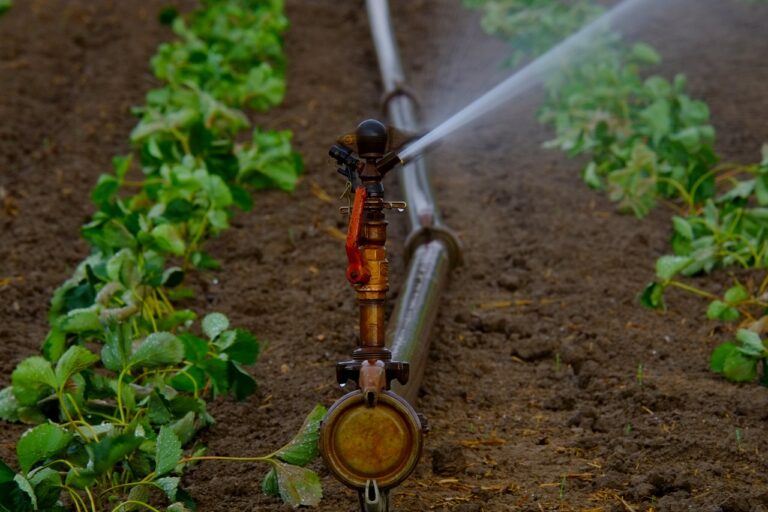
Irrigation Systems: Implementing efficient irrigation systems can help farmers conserve water and ensure consistent crop growth.
Soil Conservation Techniques: Teaching farmers soil conservation techniques such as mulching and contour farming can help reduce soil erosion and degradation.
Integrated Pest Management (IPM): Implementing IPM strategies can help farmers manage pests and diseases effectively, reducing the risk of crop failure.
Market Development: Developing reliable markets for dry season vegetables can help farmers stabilize their income and ensure a consistent supply of produce.
Training and Capacity Building: Providing farmers with training and capacity building programs can help them develop the skills necessary to successfully cultivate vegetables during the dry season.
Success Stories
Several initiatives have been successful in empowering farmers to engage in dry season vegetable farming in Africa. For example:
The African Development Bank’s (AfDB) Support for Dry Season Agriculture: The AfDB has provided financial and technical support to farmers in several African countries, enabling them to adopt dry season vegetable farming practices.
The International Fund for Agricultural Development (IFAD) and the African Union’s (AU) Support for Smallholder Farmers: IFAD and the AU have collaborated to provide support to smallholder farmers, including training and capacity building programs, to help them adapt to the challenges of dry season vegetable farming.
The United States Agency for International Development (USAID) and the African Union’s (AU) Support for Agricultural Development: USAID and the AU have partnered to provide support to farmers in several African countries, focusing on the development of irrigation systems and the implementation of IPM strategies.
Conclusion
Empowering farmers to engage in dry season vegetable farming in Africa is crucial for ensuring food security and economic stability in the region. By addressing the challenges posed by the dry season and providing farmers with the necessary knowledge, skills, and resources, we can help them successfully cultivate vegetables during this period. The success stories highlighted above demonstrate the impact that targeted support and capacity building programs can have on the lives of farmers and their communities.